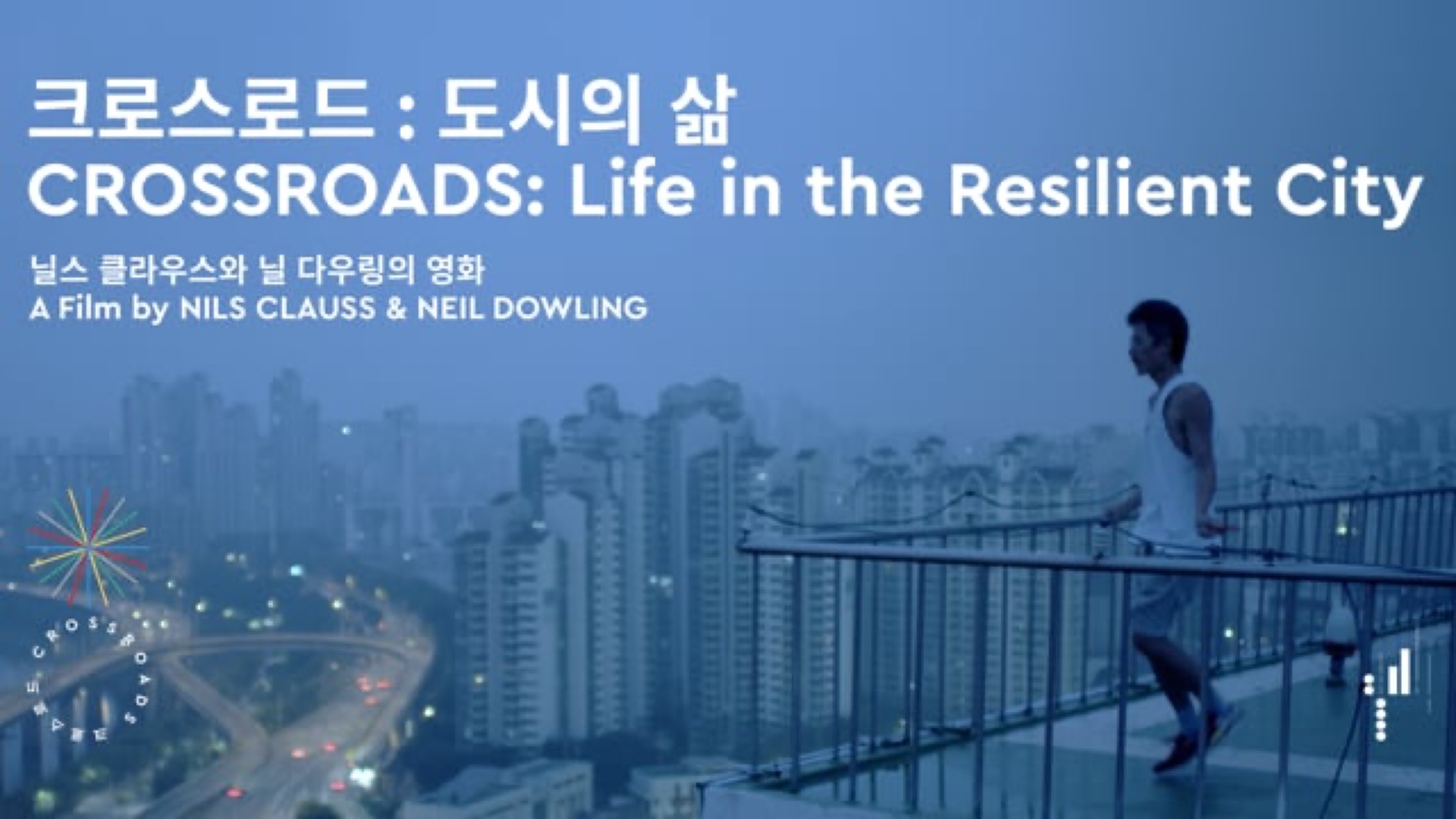

Urban Lives: How City Dwellers Shape Their World
A multilingual journey through cities around the globe, exploring how residents navigate urban challenges from commuting and safety to nature, technology, and the endless possibilities of vertical living.
Urban Lives: Stories From the City
Most people think of commuting in terms of distance and time.
But what if you measured it in height?
Across the world, city dwellers are finding creative, surprising, and deeply personal ways to navigate the places they call home. These are their stories.
Nairobi: A City Growing Fast
Nairobi is booming. New apartments, new buildings, new roads everywhere you look. Development is important, but it has to be done the right way.
This city is surrounded by incredible nature and wildlife. But here's the sad part:
The people living in the city don't even have access to it.
Thinkers, artists, everyone needs to take a stand and say this is not okay.
The Nature Bus
Most people in Nairobi get around by matatus, the colorful minibuses whose owners love to paint them up.
So the idea was born: a nature bus. A little park on wheels where passengers could:
- Learn about the environment
- Discuss ways to make their city cleaner and greener
- Feel connected to the nature surrounding them
We believe we can make a difference. That's my hope at least.
Living at 93.4 Meters
From the deepest subway station to the front door: exactly 93.4 meters of height.
The walk from the subway entrance to home doesn't take long. But the perspective is everything.
5.41 million people ride the subway every single day. That's an enormous number. Being able to help that many people is what makes the work meaningful.
Safety in the City: One Alarm at a Time
"Can I interest you in a free personal safety device?"
It's a small alarm you attach to your clothes or bag. If someone approaches you in a threatening way, you pull it and the alarm goes off.
In recent years, cities have become more polarized. Attacks on minorities have increased. So one community decided it was time to act.
Not only are we helping people protect themselves, but we're also showing that our community will always show up for each other.
From Kickstarter to the Streets
The safety alarm project hit a milestone: $10,000 on Kickstarter.
But grassroots effort alone isn't enough. The real ask is bigger:
- Safe public spaces designed for everyone
- More awareness from city leadership
- A culture where communities protect their own
The self-defense training sessions are intense, direct, and unapologetic. Identify attacker. Grab alarm. Pull it.
Mumbai: Everything and Exhaustion
Mumbai has it all. Bollywood, beaches, energy that never stops.
But the city is also noisy, crowded, and exhausting.
One entrepreneur saw an opportunity: a virtual reality platform where people can design the home of their dreams and escape the chaos, even if just for a moment.
It's not about the money. It's about finding a way to put my talent to use, to make people live a better life.
And if there's money to be made along the way? Not going to complain.
Paris: A Tour Guide's Lament
One Parisian tour guide knows the city like the back of his hand. He nearly studied history at the Sorbonne. He can tell a thousand stories about Napoleon, Marie-Antoinette, and every Louis you can think of.
But the hardest part now? Capturing people's attention.
Everyone is glued to their phones. And yet, this city was once the center of the universe.
The temptation to leave for the countryside creeps in. But then:
This city has always bounced back. I've always lived here. It's my city.
And just like that, a new group of tourists arrives. The tour begins again.
Life at the Top, Life Below
Some choose to live at the very top of their apartment building, looking down at the city below. Crowds are unbearable, so the height is a blessing. Stepping into the driver's cabin brings peace and solitude.
Others spend enormous time underground, in spaces originally built to withstand attacks, even nuclear war. And sometimes, they wonder: what else is down here?
Why Do We Set Our Own Limits?
Land prices are astronomical. But if we look underground, the possibilities are beyond imagination.
- We can live there
- We can work there
- We can play there
Our potential is limitless.
All it takes is a little imagination.
Why do we box ourselves in and set our own boundaries? The city, in every direction, vertical and horizontal, is waiting to be reimagined.