Reimagining Urban Life: Global Perspectives on City Living
Explore diverse insights on city life, from Nairobi's growth to Paris's history, Mumbai's virtual escapes, and the untapped potential of underground spaces, challenging our perceptions of urban environments and human limits.
Our cities are vibrant hubs of activity, growth, and constant change. But how do different people perceive and interact with these complex environments?
This deck explores a variety of perspectives, from bustling streets to serene high-rises, revealing challenges, innovations, and untapped potential in urban living.
In Nairobi, rapid development brings new buildings and roads, yet the city's incredible surrounding nature and wildlife remain inaccessible to many residents.
"Most people think of commuting as distance and time, but I see it as height."
This challenge inspired the creation of a "nature bus" – a mobile park designed to engage passengers in discussions about environmental cleanliness and greener city initiatives.
Beyond the visible city, there are vast, often unseen, spaces. One speaker shares spending considerable time underground, in what was once a facility built to withstand attacks, even nuclear war.
This experience sparks a curiosity: "What lies beneath?" The hidden depths hold a sense of mystery and unexplored possibilities.
Mumbai, a city famed for Bollywood, beautiful beaches, and vibrant culture, also presents significant challenges. It is often described as noisy and crowded, leading to exhaustion for its inhabitants.
The concept of "MyPad" emerges as a solution: a virtual reality home offering an escape from the city's intensity, allowing residents to create their dream spaces.
A passion for computers and technology drives the desire to build a startup. However, the motivation extends beyond financial gain.
"It's not about the money. It's about finding a way to put my talent to use to make people live a better life."
This perspective highlights a commitment to leveraging innovation for genuine human improvement and well-being.
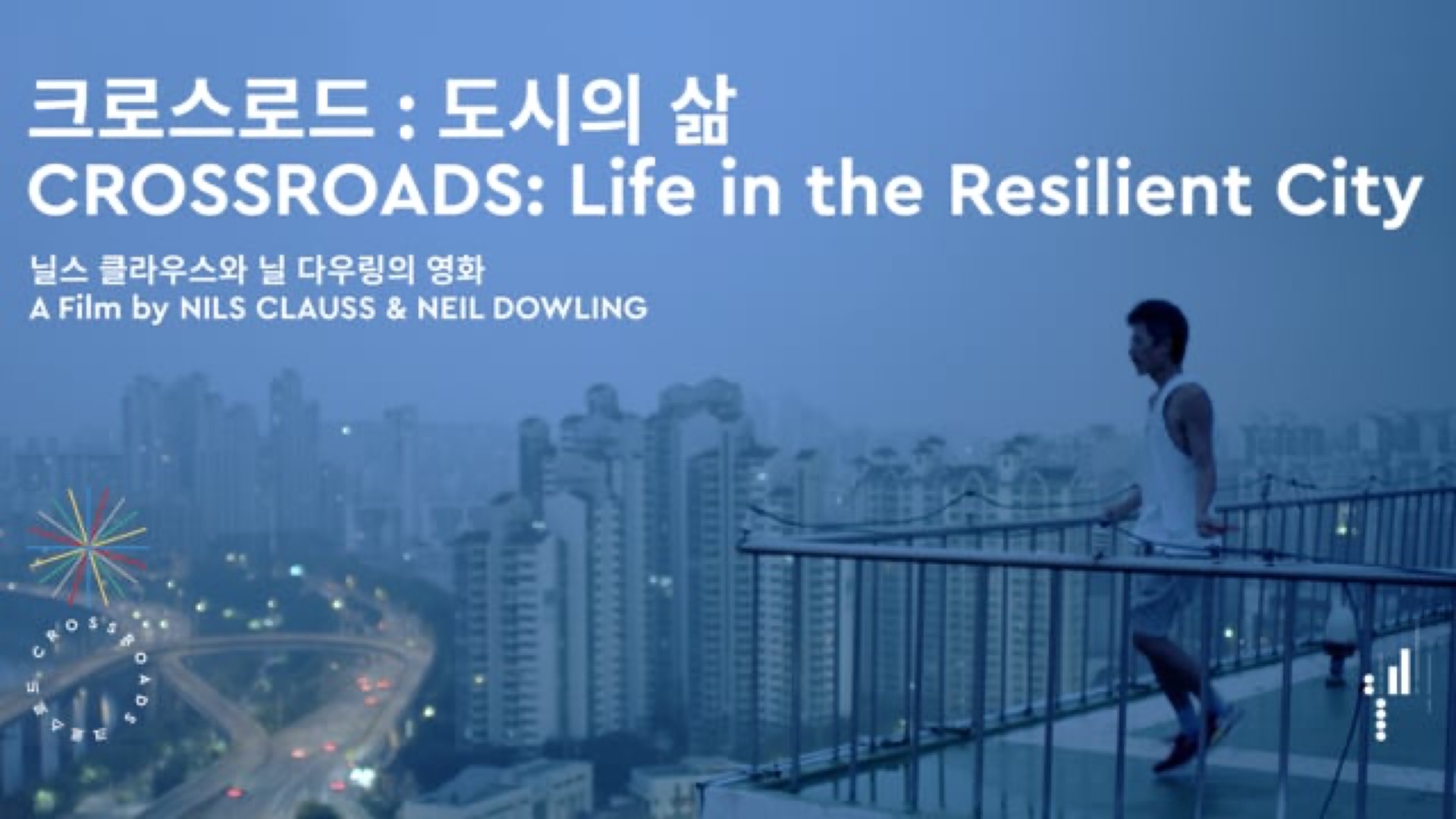
A profound question is posed in Korean: "Why do we ourselves set our limits and confine ourselves?"
This reflects on the tendency to self-impose boundaries, suggesting that much of our potential remains untapped due to our own perceptions and restrictions.
A Parisian guide dedicates their work to sharing the city's secrets, history, and beauty with the world. With deep knowledge, almost having studied history at the Sorbonne, they recount countless tales of figures like Napoleon and Marie Antoinette.
However, the biggest challenge today is capturing attention in a world constantly glued to phone screens, making it difficult to convey the rich history of a city once considered "the center of the universe."
Despite modern distractions and the feeling that "nothing interesting happens anymore," the guide insists on never giving up. Paris has a history of resilience, always bouncing back.
"This city has always bounced back. I have always lived here. It is my city."
This sentiment underscores a deep personal connection and belief in the enduring spirit of urban centers.
From a different urban viewpoint, living on the top floor of an apartment offers a unique kind of peace. Enjoying the view from above and avoiding crowds is a significant advantage.
Similarly, the quiet solitude of a driver's cabin is cherished, providing a sense of calm away from the hustle and bustle.
Considering the exorbitant cost of land, the potential of underground spaces is truly immense and largely unexplored. With a bit of imagination, these depths could offer endless possibilities for living, working, and recreation.
This perspective challenges us to look beyond conventional boundaries and envision new frontiers for urban expansion and human ingenuity.