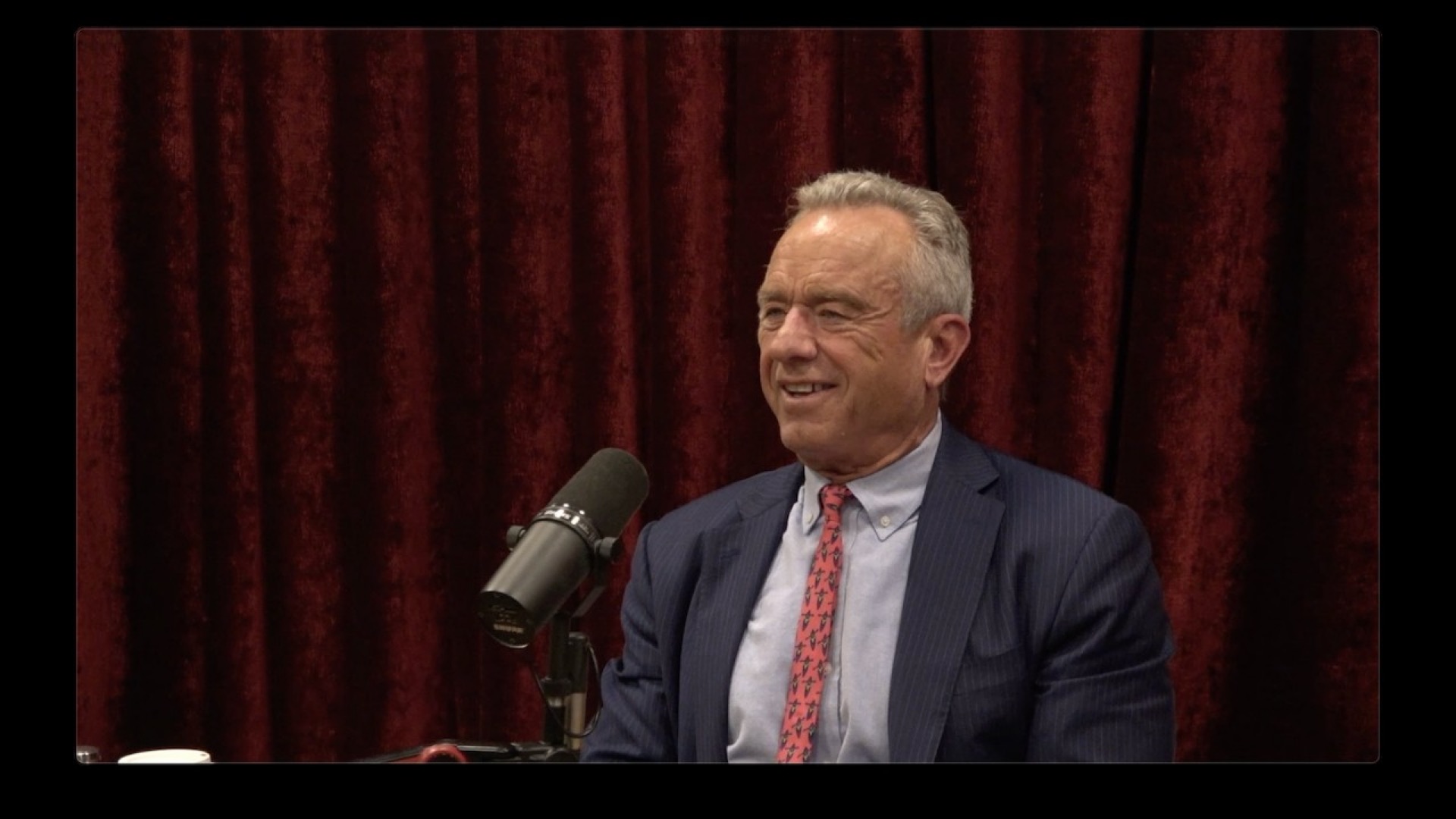

Reimagining Health & Society: A Deep Dive into Policy
An in-depth conversation exploring US healthcare system failures, policy reforms, food system challenges, mental health, drug pricing, and the impact of political polarization on critical societal issues.
The Importance of Focus
The conversation begins with a discussion on the ability to focus amidst distractions. The guest highlights how tools like noise-canceling headphones help, while also noting that some individuals, like those with ADHD or large families, develop an inherent ability to focus no matter what.
"If you're the person that can focus without distraction, you're in a good position."
Taking on the HHS Role
The guest describes his current role as the best job he could ever have, feeling he was "designed for the job." He finds it a "target-rich environment" for improving lives, largely because the agency itself was in disarray.
- The system was focused on sick care, not healthcare.
- It managed perverse incentives, leading to exorbitant spending.
- The US spends 2-3 times per capita more than any other nation, yet has the sickest population with the highest chronic disease burden.
Rampant Healthcare Fraud
A significant issue highlighted is the massive scale of fraud within Medicaid and Medicare, amounting to hundreds of billions of dollars annually. This fraud has become industrialized, with foreign nations like Cuba and Russia allegedly running sophisticated operations.
- Durable Medical Equipment (DME) Fraud: Companies set up shell operations, claiming to ship equipment like knee braces and wheelchairs without providing them, using stolen patient IDs.
- Hospice Care Fraud: Instances in Los Angeles show hundreds of millions of dollars pumped into fraudulent hospice operations, mirroring schemes seen elsewhere.
Erosion of Program Integrity
The speaker claims that efforts to combat fraud were deliberately undermined, particularly during the Biden administration. The program integrity office, once staffed by hundreds, was reduced to six people with orders to focus solely on enrollments, not fraud detection.
"They ended the program integrity office... We don't want you doing program integrity. We just want you doing enrollments."
This policy, though well-intentioned to expand access, created massive loopholes, especially in home care and community care waivers, leading to widespread abuse and organized crime involvement.
The Minnesota Autism Care Fraud
A striking example of fraud involved autism care for children in Minnesota. A program initially expected to cost $3 million annually surged to $400 million a year over a three-year period, largely due to fraudulent claims where organized crime exploited system vulnerabilities.
The guest notes that states often don't prioritize fraud detection because federal money flows into their economies, and enrolling more people also registers them to vote, suggesting ulterior motives.
Challenging Partisanship in Healthcare
The speaker expresses frustration over how partisanship obstructs critical health reforms. He cites instances where states refuse to cooperate on fraud detection simply because the initiative comes from a different political party.
"They're putting their hatred of Donald Trump ahead of their love for their own children."
This ideological capture leads to dismissing vital health information or opposing common-sense solutions based on political alignment rather than public good.
Tylenol & Pregnancy: A Science vs. Politics Battle
The agency issued a warning about Tylenol (acetaminophen) use during pregnancy, especially in the later stages, due to a strong association with neurodevelopmental diseases. Despite clear scientific evidence, this warning was immediately condemned by Democrats as "weird science" linked to Trump.
This led to viral TikTok videos of pregnant women taking Tylenol to defy political figures, highlighting a dangerous trend where health decisions become politicized.
The Alarming Decline of American Health
The US faces a severe health crisis, evident in shocking statistics:
- Military Service: 77% of American kids cannot qualify for military service.
- Juvenile Diabetes: 38% of teens are diabetic or pre-diabetic, a dramatic increase from past generations.
- Autism Rates: From 1 in 10,000 in 1970 to 1 in 31 today (1 in 12.5 boys in California).
- Obesity: 70% of adults are obese or overweight, up from 5% in kids previously.
The speaker attributes this not to laziness, but to a population being "mass poisoned" by food and environmental factors.
Perverse Economic Incentives in Healthcare
The current system incentivizes sickness, not health. Industries profit more when people are unwell:
- Food Companies: Profit from foods that make people sick.
- Pharmaceuticals: Profit from treating illness.
- Insurance Companies: Make more money through higher premiums in a sicker population.
- Hospitals: Benefit from more procedures and treatments.
- Doctors: Fee-based service rewards more tests and prescriptions, not prevention.
The solution proposed is to realign economic incentives with health outcomes, rewarding wellness and prevention.
Push for Price Transparency
A key reform involves enforcing price transparency in healthcare. A Trump-era law, previously unenforced, is now being activated to require hospitals and providers to post clear menus of their prices.
- Patients cannot currently determine the cost of procedures like childbirth or MRIs, leading to massive price disparities (e.g., $1,300 to $22,000 for childbirth in Manhattan).
- This opacity prevents market forces and informed consumer choices.
The goal is to empower consumers to shop for care, mirroring successful models in other countries that drastically reduced costs by making prices visible.
Reforming Dietary Guidelines & Food Pyramid
The agency is overhauling the national dietary guidelines, which were previously incomprehensible, lobbyist-driven, and promoted ultra-processed foods (like Froot Loops at the top of the food pyramid). The new guidelines are based on robust science from top nutritionists.
- Ultra-Processed Food: 70% of children's calories now come from ultra-processed foods, leading to widespread malnutrition alongside obesity.
- Nutrient-Dense Foods: Reintroducing elements like whole milk for brain development.
This shift aims to change dietary culture by influencing government food programs and consumer choices.
Improving Food in Government Programs
Practical changes are being implemented across various federal programs:
- SNAP Waivers: 20 states now have waivers preventing SNAP benefits from being used for candy or soda (which constituted 18% of purchases), stopping taxpayer-funded diabetes.
- Retailer Requirements: Retailers accepting food stamps will need to double the amount of real food they stock.
- Military Meals: Chef Robert Irvine is transforming military food, replacing unhealthy options with fresh, locally sourced meals that are both cheaper and more appealing, reducing reliance on fast food.
These initiatives aim to provide high-quality, affordable food to all Americans.
The Gut-Brain Connection & Mental Health
Food has a profound impact on mental health. The gut-brain connection is now well-documented, showing diet changes can dramatically reduce symptoms of mental health conditions.
- Schizophrenia & Bipolar: Harvard studies show keto diets significantly reduce symptoms (up to 30%) and can even lead to loss of bipolar diagnoses in children.
- ADHD: Strongly linked to food dyes and other dietary factors.
- Prisons: Changing diets in prisons and juvenile detention facilities reduces violence by 40-50% and use of restraints by 75%.
This highlights food as a public safety issue and a powerful tool for mental wellness.
Peptides: A Regulatory Quagmire
The discussion turns to peptides, which the guest uses himself with good effect. Previously, 19 peptides were widely compounded by pharmacies. However, the Biden administration allegedly moved them to a "do not formulate" category without a safety signal, which was illegal.
- This created a dangerous black market, with products often substandard and unregulated.
- The goal is to move about 14 of these peptides back to ethical suppliers, making them accessible in controlled settings.
New actions and regulations are expected soon to address this issue.
Psychedelics for PTSD & Addiction
There is growing recognition of the therapeutic potential of psychedelics like psilocybin, MDMA, and ibogaine for treating PTSD, depression, and opioid addiction. The VA is conducting numerous studies.
- These substances show promise as rapid, transformative interventions, potentially offering alternatives to lifelong SSRI use.
- The administration aims to create rules allowing access in therapeutic settings, particularly for military personnel who have suffered these injuries.
However, strict guidelines are needed to prevent a "wild west" scenario and ensure patient safety due to the powerful nature of these tools.
Combating Polarization Through Conversation
The increasing political polarization is a major concern. The speaker emphasizes that the only way to mitigate this is by getting people to talk to each other. He praises platforms like Joe Rogan's podcast for fostering civil discourse and curiosity, allowing people to understand differing rationales.
"You gotta be able to find common ground with other people and if you don't talk to them you don't see their humanity."
Hating people based on labels prevents genuine understanding and problem-solving.
Social Media: Amplifying Division
Social media algorithms are identified as a significant accelerator of polarization, amplifying outrage and validating existing worldviews. This constant bombardment of sensation and anger liberates "the darkest impulses of the human spirit."
The lack of real human connection and the presence of manipulation (e.g., non-real people commenting) further distort narratives and prevent constructive dialogue.
Cell Phones in Schools: A Model for Connection
To foster better communication and focus, "bell-to-bell" legislation is being implemented in 26 states, banning cell phone use in schools. This simple change has shown remarkable results:
- Increased Interaction: Kids in cafeterias are talking to each other.
- Improved Behavior: Disciplinary problems decrease.
- Higher Test Scores: Students focus better on work.
- Family Life: Parents report more conversations at home.
Despite clear benefits, some "blue states" resist, viewing it as a partisan issue.
Threats to Free Speech in Western Nations
The conversation shifts to alarming trends in free speech, particularly in the UK, where 12,000 people were arrested for social media posts in the last year. This includes legitimate criticism of immigration and government policies.
A proposed "banter ban" legislation in UK pubs would make owners liable if staff overhear comments deemed harassing based on protected characteristics, effectively encouraging self-censorship in public venues. The framers of the US Constitution considered free speech paramount, knowing all other rights depend on it.
Challenging Corporate Power: Drug Pricing
The guest highlights successes in challenging powerful industries, specifically Big Pharma. Through the Most Favored Nation (MFN) agreement, the US has moved from paying the highest drug prices globally to among the lowest in the developed world.
- This was achieved by leveraging Medicaid/Medicare programs and threatening tariffs, forcing pharmaceutical companies to lower prices.
- Americans can now access lowest prices on popular medications through initiatives like Trump RX.
Additionally, pharmaceutical companies have committed to onshoring production, building new facilities in the US, enhancing national security and job creation.
Glyphosate: A Foundational Poison
The discussion addresses glyphosate, the foundational pesticide of the US food system (97% of corn, 98% of soy produced with it). While acknowledging its toxicity, the president's executive order aimed to secure domestic production due to 99% of glyphosate supply coming from China, posing a national security vulnerability.
- Farmers dislike the cost, emerging chemical-resistant weeds, and export restrictions from countries like Europe.
- Glyphosate destroys soil microbiome, leading to runoff and unsustainable farming.
The administration is investing heavily in regenerative farming and new technologies like laser weed control as an "offramp" from chemical dependence.
Health Impacts of Glyphosate
While litigation has focused on non-Hodgkin's lymphoma, glyphosate is also associated with non-alcoholic fatty liver disease and significantly disrupts the gut biome. Its advantage is targeting plants, not animal tissue, but the stomach microbiome is plant-like.
A controversial use is as a desiccant for wheat, sprayed directly on food before harvest. The speaker notes an explosion in celiac disease and gluten allergies around 2003, coinciding with this practice, though direct scientific proof is still being investigated.
The Future of Food: Technology & Regenerative Agriculture
The vision for the future involves a transition away from harmful chemicals. Technologies like laser-equipped tractors and drones can efficiently control weeds and insects, increasing productivity and reducing costs for farmers.
- The goal is to accelerate the development and adoption of these "offramps" for farmers.
- Significant investment is being made in regenerative agriculture to restore soil health and reduce reliance on petroleum-based fertilizers.
Achieving fully regenerative agriculture with no pesticides or industrial fertilizers is a long-term goal, likely requiring decades and continued technological innovation.
Leadership & Personal Approach
The guest describes his work ethic and the president's unwavering support, which allowed him to appoint his own agency heads and achieve significant reforms in one year. His personal approach involves focusing narrowly on daily tasks without expectations, fostering resilience.
He was surprised by the idealism and competence of Republicans he works with, contrasting with his previous assumptions. The biggest shock was the agency's initial inefficiency and lack of accountability for the nation's declining health.
The Aspartame Saga: Regulatory Capture
The conversation touches on the history of aspartame approval, citing it as an example of regulatory capture. Donald Rumsfeld, a former CEO of a company making aspartame (Searle), allegedly overruled an FDA commissioner who had banned it, pushing its approval despite concerns.
This historical context underscores the challenges of fighting powerful interests and the importance of integrity in regulatory bodies.
Immigration: A Shifting Political Landscape
Historically, the Democratic party, including figures like Cesar Chavez and Bernie Sanders, was against open borders due to concerns about worker wages and cheap labor. Republicans, often aligned with the Chamber of Commerce, favored it for cheap labor.
The current political dynamic has reversed, with the Democratic party now advocating for open borders, largely in opposition to Trump's stance on border security. This shift, the guest argues, is "inexplicable" and driven by partisanship.
Border Enforcement & Partisan Obstruction
The administration's efforts to enforce immigration laws, including deporting individuals with criminal records (70% of those arrested), face significant partisan resistance. Democratic politicians and media often frame these actions negatively, even organizing protests to interfere with law enforcement.
- Sanctuary Cities: These cities refuse to cooperate with ICE, releasing arrested illegal immigrants instead of transferring them.
- Politicized Protests: The guest notes that many protests are organized and paid for, diverting attention from issues like healthcare fraud.
This creates a dangerous environment and hinders effective governance, despite the clear legal and economic costs of an open border.
The Call for Unity & Common Sense
The overarching theme is the need to overcome extreme partisanship and focus on common-sense solutions that benefit all Americans. Issues like stopping fraud, improving health, and ensuring child safety should transcend political divides.
"Hundreds of billions of dollars of fraud is not good for any of us, the whole country. So, we should all be together on this one thing."
The speaker expresses hope that through open conversation and a focus on shared well-being, the country can move past its current ideological impasses.