
Raise Them Brave: Parenting for Confidence
A pediatric anxiety expert reveals why parenting for comfort backfires and shares the exposure therapy playbook for raising confident, brave kids who thrive through discomfort.
Raise Them Brave
What if the key to raising confident kids isn't protecting them from discomfort, but teaching them to handle it?
A pediatric anxiety and OCD expert shares the secret playbook from a decade of clinical practice helping kids be brave.
Our kids don't require a comfortable life. They need comfort with discomfort.
The Power of Disgust (and Discomfort)
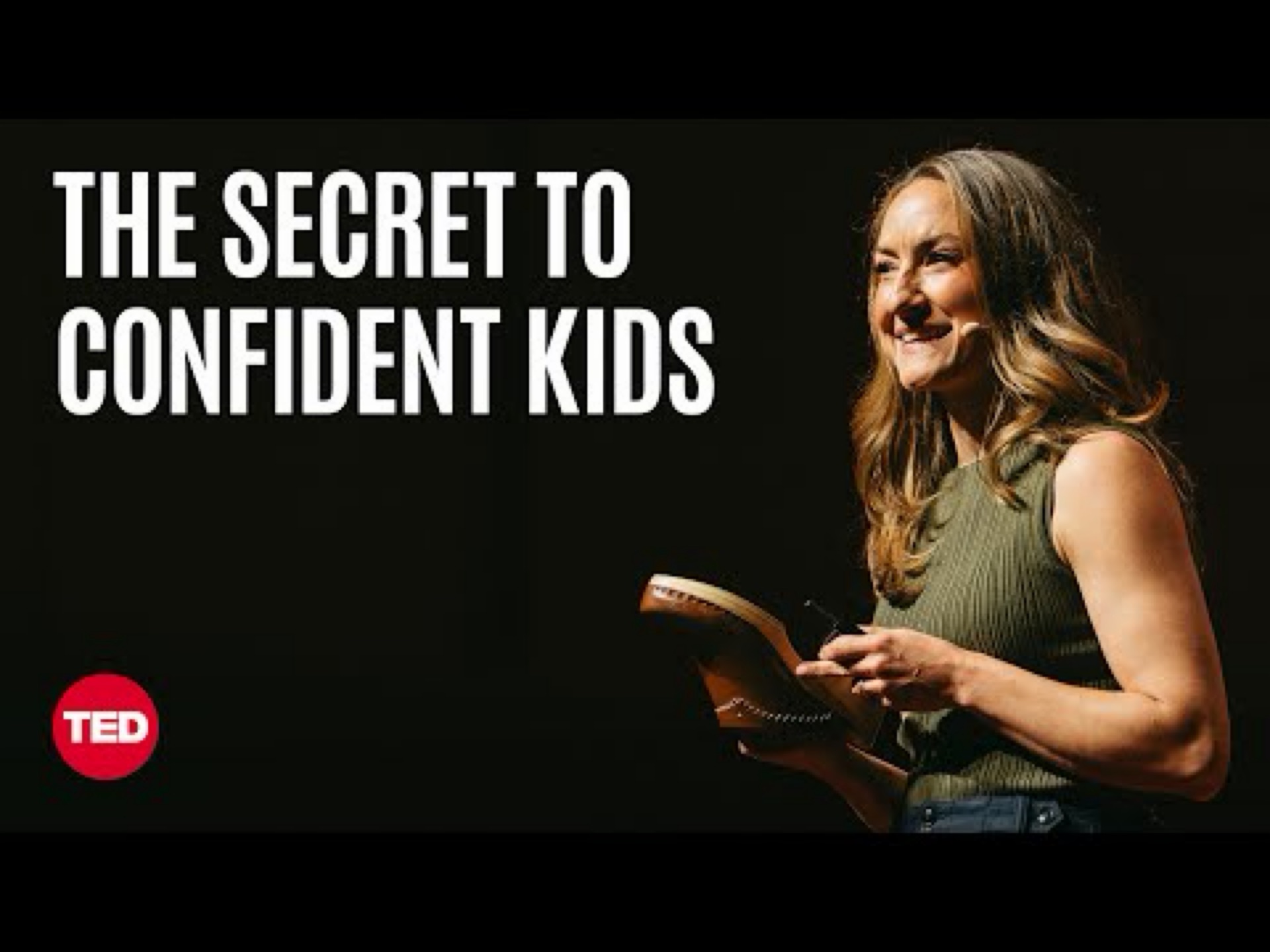
Imagine someone licking the sole of a filthy shoe. Your body reacts instantly:
- Your sympathetic nervous system activates, increasing heart rate and tensing muscles
- Your anterior insula flares, creating a feeling of disgust
- A little nausea, a slight gag reflex
That discomfort you feel? That is the first essential step to creating confident kids.
Meet Sammy
Sammy was a sweet little third-grade string bean who lived for adventure. Bright, curious, optimistic. He could tell you everything you honestly never needed to know about airport design.
But Sammy had a fear: bees.
His brain appreciated bees as vital pollinators. His body, however, reacted like they were flying yellow needles with anger issues.
As soon as the leaves turned green, Sammy would initiate his own personal bee safety protocol. No sweets outside. Social distancing from flowers. Staying inside during family cabin trips.
His parents tried everything: deep breathing, distraction, reassurance. When they'd say "You won't get stung," Sammy had four words:
"How do you know?"
This phobia was stealing Sammy's childhood one sunny summer day at a time.
A Wild, Worried World
According to the National Survey of Children's Health, pediatric anxiety diagnoses rose by nearly 30 percent from 2016 to 2019. And that was before COVID.
But you don't need stats. You've felt this.
Thanks to evolutionary biology, when kids get anxious, adults get anxious too. The amygdala, the watchdog in our brain, starts barking. The fight-or-flight system kicks in. Adrenaline surges. There's this instant, magical transfer of distress.
Her emergency becomes my emergency. And in an emergency, what do you do? You rescue the child.
The Problem with Parenting for Comfort
Rushing to rescue is what's called parenting for comfort. In the anxiety treatment world, it has another name: accommodation.
It's the parents who removed everything green from the house because green meant vomit. It's Sammy's kind, loving parents who swapped outdoor fun for indoor fun. No picnics. No meals on the deck.
It's not limited to parents of anxious kids. It's the common thread in the last 30 years of parenting trends, from helicopter parenting to gentle parenting. All rooted in the idea that healthy is a synonym for happy.
Three big problems with parenting for comfort:
- It places an incredible burden on parents. It turns us into a stressed-out member of the feeling Secret Service, tasked with controlling something we can't: another person's emotional experience.
- It teaches kids that hard feelings are an emergency. When we cancel the picnic or open the bathroom door mid-stream, our actions shout: "This feeling is a problem."
- It doesn't work. We can't eliminate the pain or mistakes of childhood. They're part of the process of growing up.
If life won't promise comfort, our parenting can't either.
The ABC Recipe: Anxiety + Bravery = Confidence
Instead of parenting for comfort, we need to be parenting for confidence.
The goal is not to get rid of anxiety, uncertainty, or distress. The goal is to build coping efficacy, what's called "handleability": a deep-in-your-bones belief that says, "I can handle it."
This is the heart of exposure therapy and the key to raising kids that thrive. The recipe therapists have relied on for decades:
A + B = C
Anxiety + Bravery = Confidence
Anxiety is not the problem. It's a core ingredient. Bravery only rewires the brain when fear is present. No one gets confident they can handle hard stuff without handling hard stuff.
The Parenting for Confidence Playbook
Research from the Yale Child Study Center and others shows that parents can change child anxiety just by changing their own behavior. Here's how:
- Create opportunities for anxiety through adventure. No kid jumps off the high dive if you never take them to the pool. Sammy's parents resumed summer fun: walks to ice cream, smelling flowers, eating watermelon on the cabin deck.
- Be the bravery you wish to see in your child. Model it. Do the scary thing. Sammy's parents went out on the deck and enjoyed watermelon despite the wasps. Jump in the pool and show the water's fine.
- Celebrate confidence-building actions. Cheer for and reward those brave steps. Brave is hard work, and hard work deserves reward.
Sammy built a bravery ladder: bee pictures, then videos, then Dan (a dead bee in a jar), and finally, real bees. Each step earned brave points he cashed in for trips to new restaurants.
Brave Parenting Is Hard
A warning: parenting for confidence asks for bravery from kids, yes. But it requires bravery from parents.
Watching your kid panic before the hockey game and sending them onto the ice anyway. Asking them to eat in the den of snakes that is a middle school lunchroom. Peeling your protesting one-year-old off your body, passing them to a teacher at daycare, and walking out the door before bursting into tears.
This is incredibly emotionally hard.
But here's the secret: the same way anxious kids can transfer anxiety to adults, adults can transfer their own confidence to kids. Thanks to social referencing, if we stand our ground and remain calm, we can lend our kids a nervous system.
Our job during that wave of anxiety is not to get kids off the ride, but to be their warm, steady anchor. A lap bar on the roller coaster of distress.
Bravery Is Contagious
Confidence doesn't come from praise or protection. It comes from practice. Practice being scared and doing it anyway.
One act of courage lights the way for the next. Not just for your kid, but for the people around them.
The kid who faces their fear of bees doesn't just play outside again. They raise their hand in class. They try out for the school play. They speak up when something is wrong. They start to ask: "What else am I capable of?"
And when they do, someone else gets a little braver too.
A Legacy, Not a Luxury
This work matters not just so your child feels less anxious, but because our children are inheriting a world of hard, complicated problems. Polarized communities, economic disruption, global uncertainty.
These challenges won't be solved by people who need to feel good before they act. They'll be solved by people who can say:
"This is hard, but I can handle it."
Parenting for confidence is not a luxury. It is a legacy.
Because brave parenting creates brave kids. And brave kids are the ones that will change the world.
So: what shoe are you ready to lick? Let's get uncomfortable together. Let's thrive together. Let's raise them brave.